
Lot 704, Batu 13,
Kampung Sungai Rambai,
42600 Jenjarom, Kuala Langat
Selangor, Malaysia.
Contact No :
603-3191 7404 / 6563 / 2118
Fax No :
603-3191 6563 / 603-31913118
Mr. Teh Guo Huong :
019-270 2628 /
019-321 3803
Email : timbertopsb@yahoo.com / timbertopsb@gmail.com
Plywood Doors Malaysia: Unlocking Elegance, Durability and Modern Architectural Beauty
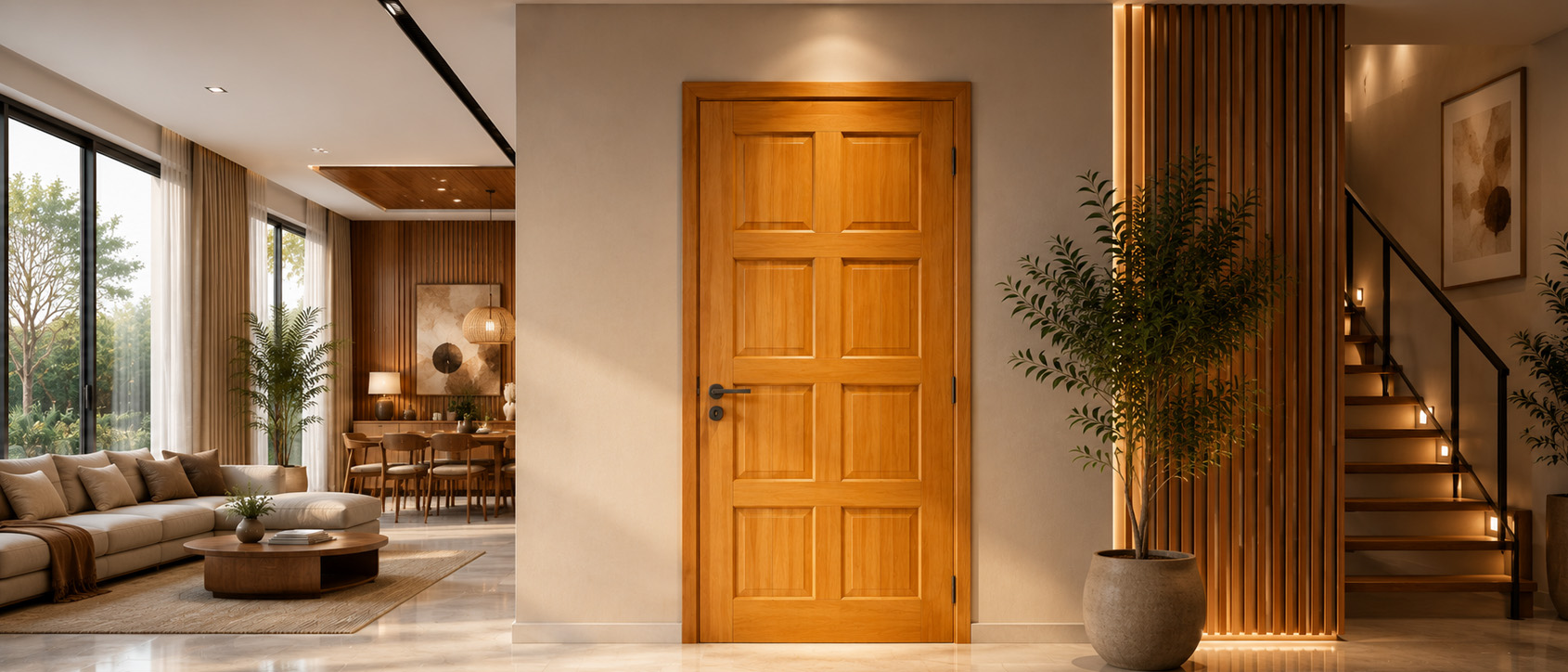
Introduction: Why Plywood Doors Are Becoming a Preferred Choice in Malaysia
Doors are more than just functional elements that separate spaces; they are an important architectural feature that contributes significantly to the overall character, comfort and visual appeal of a property. In Malaysia, where homeowners, architects and interior designers increasingly seek a balance between aesthetics, durability and affordability, plywood doors have emerged as a popular choice for residential, commercial and hospitality projects.
Combining natural beauty with engineered strength, plywood doors offer an attractive alternative to traditional solid wood doors. They provide the warmth and elegance of timber while delivering improved stability, design flexibility and cost efficiency. Whether used in modern homes, luxury condominiums, offices, hotels or commercial buildings, plywood doors can enhance interiors with a timeless appearance.
At their core, plywood doors represent the perfect combination of craftsmanship and technology. Manufactured by bonding multiple layers of wood veneers together, these doors are engineered to deliver strength, resistance to environmental changes and long-lasting performance. For Malaysia’s tropical climate, where high humidity and temperature fluctuations can affect natural wood products, plywood doors provide a practical and reliable solution.
This comprehensive guide explores everything you need to know about plywood doors in Malaysia, including their manufacturing process, advantages, design possibilities, applications, maintenance requirements and why they continue to gain popularity among Malaysian property owners.
The Art and Craftsmanship Behind Plywood Door Manufacturing
Precision Engineering for Superior Performance
A high-quality plywood door is the result of careful material selection, advanced manufacturing techniques and skilled craftsmanship. Unlike conventional doors made from a single piece of timber, plywood doors are constructed using multiple thin layers of wood veneers arranged in a cross-grain pattern.
This layered structure creates a stronger and more stable material because each veneer layer supports the next. The cross-direction arrangement helps minimise natural wood movement, reducing the risks of warping, cracking and dimensional changes caused by humidity.
The typical plywood door manufacturing process involves:
1. Selection of Quality Wood Veneers
The production process begins with carefully selected wood veneers. Manufacturers choose veneers based on strength, appearance, grain pattern and suitability for interior applications.
High-quality veneers provide the foundation for a door that delivers both structural reliability and attractive aesthetics.
2. Layering and Bonding Process
Multiple veneer sheets are arranged strategically and bonded together using strong adhesives under controlled pressure and temperature. This process creates a dense, durable panel with excellent structural integrity.
The result is a door that maintains its shape better than many traditional timber alternatives.
3. Surface Finishing and Customisation
Once the plywood core is formed, the door surface can be enhanced with different finishing options, including:
- Natural wood veneer finishes
- Laminate surfaces
- Paint finishes
- Melamine coatings
- Decorative textures
These finishing options allow plywood doors to match various interior themes, from minimalist contemporary designs to classic luxury styles.
Sustainable and Environmentally Responsible Door Solutions
Supporting Responsible Wood Usage
Sustainability has become an increasingly important consideration in modern construction and interior design. Plywood doors provide a more responsible alternative to some traditional solid timber doors because they maximise the use of wood resources.
Instead of relying on large sections of natural timber, plywood manufacturing utilises thinner wood layers efficiently. This approach helps reduce material wastage while maintaining excellent strength and durability.
Many plywood manufacturers also source materials from responsibly managed forests, supporting sustainable forestry practices.
For environmentally conscious homeowners, developers and businesses in Malaysia, plywood doors represent a practical choice that aligns with greener building principles without compromising style or performance.
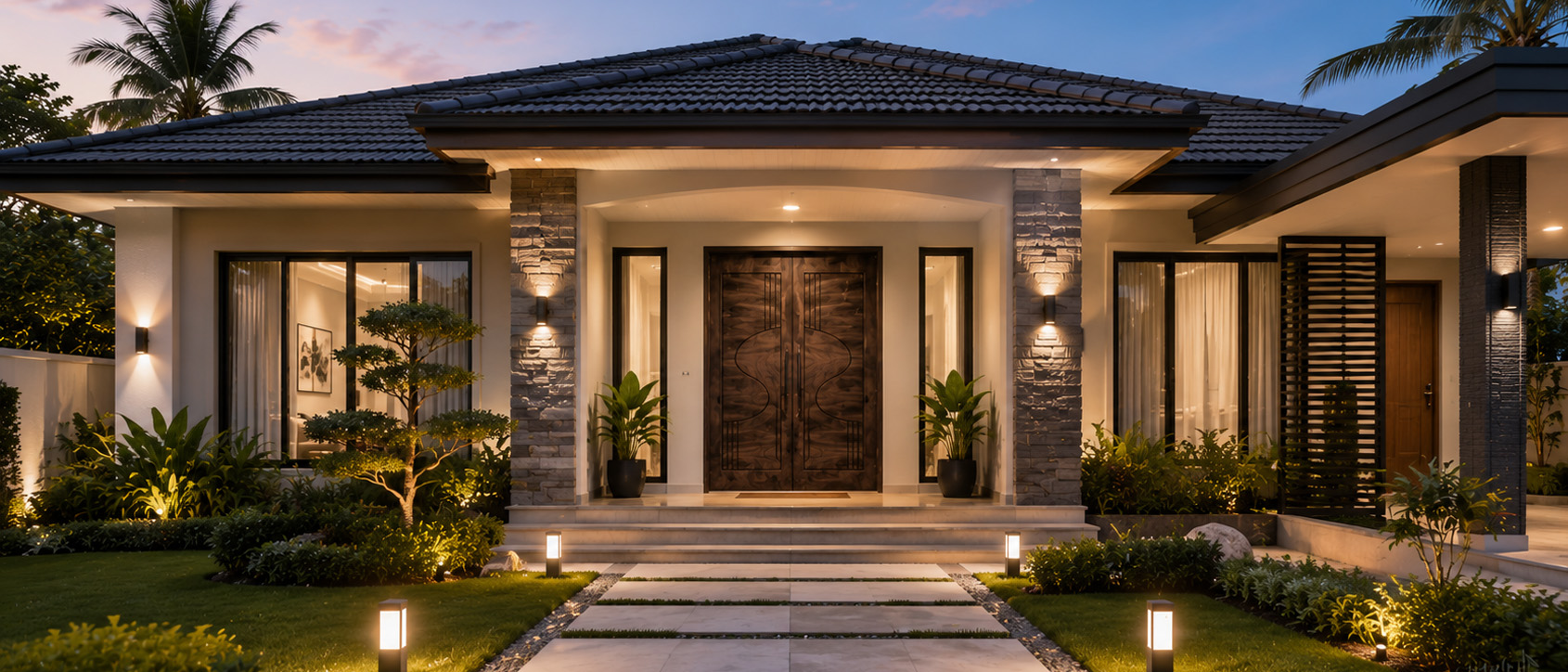
Plywood Doors in Malaysian Architecture
Blending Traditional Warmth with Contemporary Design
Malaysian architecture is known for its unique combination of cultural influences, tropical living concepts and modern design elements. Plywood doors fit naturally into this environment because of their ability to adapt to different architectural styles.
For traditional-inspired homes, plywood doors with natural wood grain finishes can create a warm and welcoming atmosphere. For modern residences, sleek designs with smooth finishes and minimalist details provide a sophisticated appearance.
In commercial environments such as offices, retail spaces and hotels, plywood doors offer a professional yet inviting aesthetic that complements various interior concepts.
Excellent Performance in Malaysia’s Tropical Climate
Malaysia’s climate presents challenges for many building materials. High humidity, heavy rainfall and temperature changes can affect natural wood products, causing expansion, contraction or warping.
Plywood doors are engineered to overcome many of these challenges. Their layered construction provides improved dimensional stability, helping them maintain their structure even in humid environments.
When properly manufactured, installed and maintained, plywood doors can provide long-lasting performance suitable for Malaysian homes and commercial properties.
The Aesthetic Versatility of Plywood Doors
Endless Design Possibilities
One of the biggest advantages of plywood doors is their design flexibility. Unlike standard factory-made doors with limited appearance options, plywood doors can be customised according to specific architectural and interior requirements.
Homeowners can choose from various styles, including:
Minimalist Modern Plywood Doors
Clean lines, smooth surfaces and neutral finishes make minimalist plywood doors ideal for contemporary homes and modern apartments.
Natural Wood Grain Designs
For those who appreciate organic beauty, natural veneer finishes highlight the unique patterns and textures of timber.
Luxury Decorative Designs
Plywood doors can also incorporate decorative panels, grooves, mouldings and customised patterns to create premium-looking entrances and interiors.
Office and Commercial Designs
Businesses often choose plywood doors because they provide a professional appearance while offering practical durability for high-traffic environments.
Choosing the Right Finish for Your Plywood Door
The finishing selection plays an important role in determining the final appearance and performance of a plywood door.
Natural Veneer Finish
Natural veneer provides an authentic timber appearance with unique grain patterns. It is ideal for luxury homes, boutique hotels and premium interiors.
Laminate Finish
Laminate surfaces offer excellent durability and are available in numerous colours, textures and patterns. They are particularly suitable for offices and commercial spaces requiring easy maintenance.
Painted Finish
Painted plywood doors allow complete colour customisation, making them suitable for modern interiors where colour coordination is important.
Melamine Finish
Melamine finishes provide a practical and cost-effective option with good resistance against scratches and daily wear.
Applications of Plywood Doors in Malaysia
Residential Properties
Plywood doors are widely used in Malaysian homes, including:
- Terrace houses
- Semi-detached homes
- Bungalows
- Apartments
- Condominiums
They are commonly installed as bedroom doors, bathroom doors, study room doors and interior partition doors.
Commercial Buildings
Businesses choose plywood doors for:
- Office entrances
- Meeting rooms
- Private rooms
- Retail outlets
- Restaurants
- Hotels
Their professional appearance and durability make them suitable for various commercial applications.
Hospitality Projects
Hotels and resorts often use plywood doors because they provide a premium appearance while allowing designers to customise finishes according to branding and interior concepts.
Durability and Long-Term Value of Plywood Doors
Built for Everyday Performance
A quality plywood door is designed to withstand daily usage while maintaining its appearance and functionality. Its engineered structure provides excellent resistance against common issues such as:
- Cracking
- Splitting
- Excessive expansion
- Surface deterioration
This makes plywood doors a valuable investment for property owners seeking long-term reliability.
Cost-Effective Alternative to Solid Wood Doors
While solid wood doors offer natural beauty, they can be more expensive and may require additional maintenance due to natural timber movement.
Plywood doors provide a similar elegant appearance at a more accessible price point while offering excellent structural stability.
For many Malaysian homeowners and developers, plywood doors deliver an ideal balance between premium aesthetics and practical value.
Maintenance Tips for Keeping Plywood Doors Looking New
One of the benefits of plywood doors is their relatively low maintenance requirements.
To maintain their appearance and performance:
Clean Regularly
Use a soft cloth to remove dust and dirt. Avoid harsh chemical cleaners that may damage the surface finish.
Prevent Excessive Moisture Exposure
Although plywood doors are stable, prolonged exposure to water should be avoided. Ensure areas such as bathrooms have proper ventilation.
Check Hardware Regularly
Door hinges, handles and locks should be inspected periodically to ensure smooth operation.
Repair Minor Damage Early
Address scratches or surface damage promptly to prevent further deterioration.
With proper care, plywood doors can maintain their elegance and functionality for many years.
Why Choose Plywood Doors for Your Malaysian Property?
Plywood doors offer a combination of benefits that make them suitable for modern Malaysian architecture:
✔ Elegant timber appearance
✔ Strong and stable construction
✔ Suitable for tropical climates
✔ Wide range of designs and finishes
✔ Environmentally responsible option
✔ Low maintenance requirements
✔ Excellent value for money
✔ Suitable for residential and commercial applications
Whether you are renovating a home, designing a new office or developing a commercial property, plywood doors provide a stylish and dependable solution.
Frequently Asked Questions (FAQ) About Plywood Doors Malaysia
1. What are plywood doors?
Plywood doors are doors constructed using multiple layers of thin wood veneers that are bonded together under pressure. The cross-layered structure provides strength and dimensional stability while offering the natural appearance and warmth associated with timber. Plywood doors can also be finished with natural veneer, laminate, paint or other decorative surfaces to suit different interior styles.
2. Are plywood doors suitable for Malaysia’s climate?
Yes, plywood doors are suitable for Malaysia’s tropical climate when they are manufactured, finished and installed correctly. Their layered construction provides good dimensional stability, helping to reduce movement caused by changes in humidity and temperature. However, the appropriate plywood grade and surface finish should be selected according to where the door will be installed, particularly in areas exposed to moisture.
3. Are plywood doors durable?
Quality plywood doors are durable and designed for everyday use. Their layered construction provides good structural strength and resistance to common problems such as splitting, cracking and excessive movement. The overall lifespan depends on the plywood quality, door construction, hardware, installation conditions and maintenance.
4. How much do plywood doors cost in Malaysia?
The cost of plywood doors in Malaysia varies depending on several factors, including door size, plywood grade, thickness, surface finish, design, hardware and the level of customisation required. Simple designs with standard finishes are generally more economical, while customised plywood doors with premium veneers, decorative details or specialised construction may cost more.
For an accurate quotation, it is best to provide the required door dimensions, design, finish and intended application to a plywood door manufacturer or supplier.
5. Are plywood doors cheaper than solid wood doors?
In many applications, plywood doors can be a more cost-effective alternative to solid wood doors. Plywood uses layers of wood veneers to create a strong engineered structure, allowing manufacturers to achieve an attractive timber appearance without relying entirely on large sections of solid timber. The final price still depends on the plywood grade, finish, design and construction specifications.
6. Can plywood doors be customised?
Yes. Custom plywood doors can be manufactured in different sizes, designs, finishes and configurations to meet specific architectural and interior requirements. Options may include natural wood veneer, laminate, paint and melamine finishes, as well as decorative grooves, panels and other design details. This flexibility makes plywood doors suitable for both modern and traditional interiors.
7. Are plywood doors suitable for bedrooms and bathrooms?
Plywood doors are commonly used for bedrooms, studies, living areas and other interior spaces. They can also be used for bathrooms when the appropriate moisture-resistant plywood, edge protection and suitable surface finish are specified. Because bathrooms experience higher levels of humidity and moisture, selecting the correct door construction is particularly important.
8. What is the difference between plywood doors and solid wood doors?
The main difference is their construction. Solid wood doors are made primarily from natural timber, whereas plywood doors are manufactured by bonding multiple layers of wood veneers together. Plywood doors generally offer greater dimensional stability and can provide a more consistent engineered structure, while solid wood doors are valued for their natural timber characteristics.
The right choice depends on factors such as design preferences, budget, durability requirements, environmental conditions and the intended application.
9. What finishes are available for plywood doors?
Plywood doors can be finished in various ways to achieve different appearances and levels of performance. Popular options include natural wood veneer, laminate, painted surfaces and melamine. Natural veneer can highlight the character of timber, while laminate and melamine offer a wider range of colours, patterns and textures. Painted finishes are also suitable when a specific colour is required to complement an interior design scheme.
10. How do I choose a plywood door manufacturer or supplier in Malaysia?
When choosing a plywood door manufacturer or supplier in Malaysia, consider factors such as material quality, manufacturing experience, available designs and finishes, customisation capabilities and installation requirements. It is also important to discuss the intended application and environmental conditions so the manufacturer can recommend a suitable plywood construction and finish.
A reliable supplier should be able to provide clear specifications and recommend a plywood door solution that balances appearance, durability, performance and budget.
Conclusion: Experience Timeless Elegance with Plywood Doors in Malaysia
Plywood doors represent the perfect harmony between beauty, engineering and practicality. With their elegant appearance, customisable designs and reliable performance, they have become an increasingly preferred choice for Malaysian homeowners, architects and businesses.
From modern residences to commercial developments, plywood doors offer a sophisticated way to enhance interior spaces while providing long-term value. Their ability to withstand Malaysia’s climate, combined with their sustainable qualities and design flexibility, makes them a smart investment for anyone seeking durable and stylish door solutions.
By choosing quality plywood doors, you are not simply selecting an entrance or partition — you are adding a lasting architectural feature that reflects craftsmanship, elegance and thoughtful design.